
HMRC scraps paper VAT registration
From 13 November HMRC will abolish the paper VAT registration form. How will new applications be made from that date?
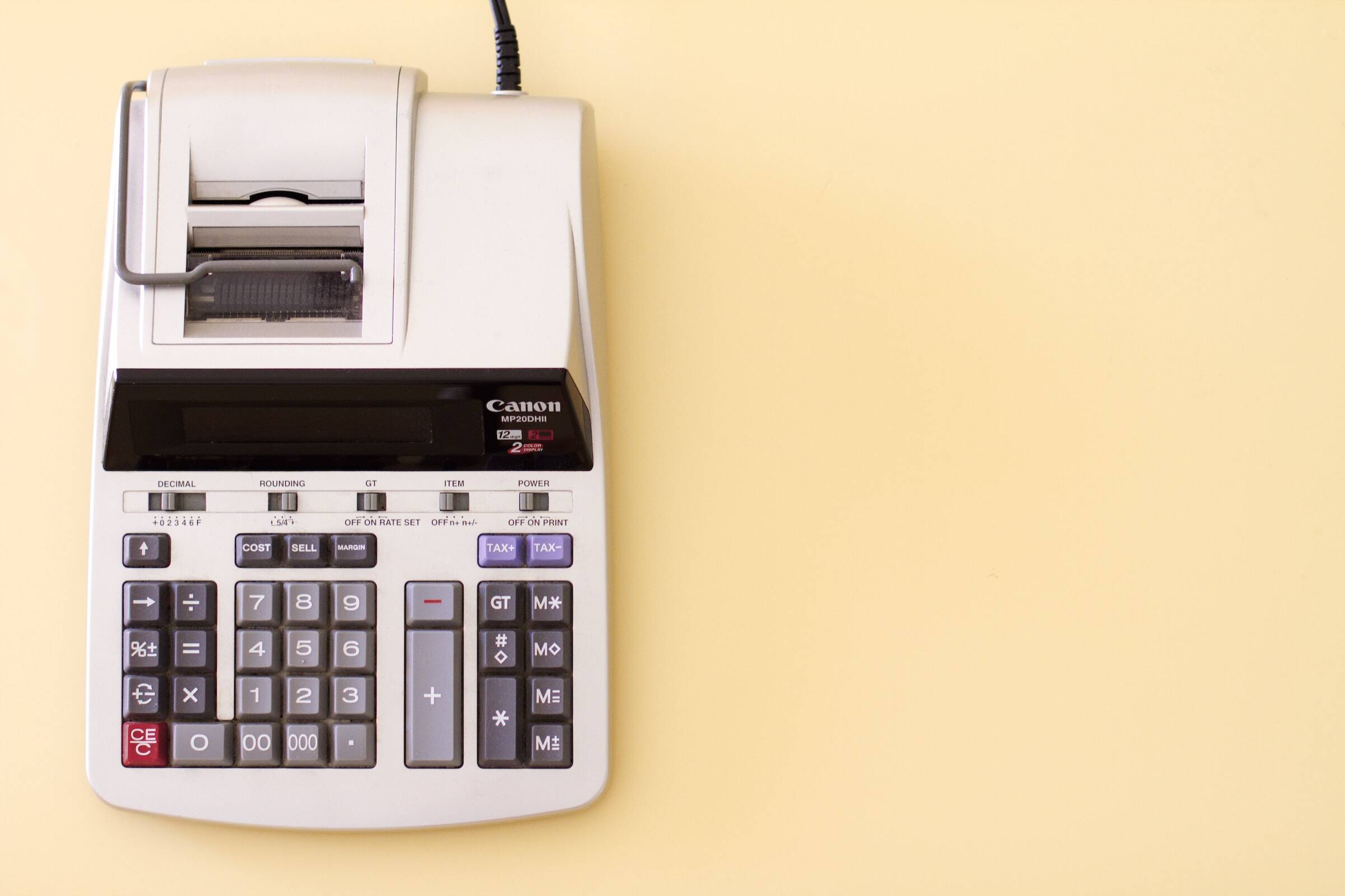
In another bid to encourage taxpayers to go digital, HMRC will scrap Form VAT1, which is currently used to apply for VAT registration by post. From 13 November, new VAT registrations will need to be completed using the online VAT registration service. It is hoped that this will speed up the processing of VAT registration, although currently only 80% of online applications are processed within 40 working days.
Businesses that are “digitally excluded” can still use the paper form but will need to call the VAT helpline and explain why they are unable to complete the registration online. Where such businesses are represented by an agent, the agent is still required to use the online VAT registration service. A minority of businesses, such as those without a UTR or non-UK partnerships, are not currently able to use the online VAT registration service, and should also call the VAT helpline to obtain a paper form. HMRC is working to include all businesses within the service and will cease to issue paper forms to them once this becomes possible.
Related Topics
-
Why is HMRC checking PVA more often?
Your business imports goods and accounts for VAT by applying postponed VAT accounting (PVA) on its returns. HMRC is scrutinising returns and issuing large assessments in some cases. What can you do to reduce the risk of getting it wrong?
-
HMRC text or scam? Check before you act
HMRC is contacting some taxpayers by text this week about overdue Self Assessment liabilities and is also sending updates about VAT registration applications. At the same time, it has expanded its guidance on spotting fake HMRC messages on social media. How can you tell whether a message is genuine?
-
Received a P800? Check how HMRC has used your allowances
Some HMRC P800 tax calculations can produce too much tax where a taxpayer has several different types of income and allowances are not allocated in the most favourable way. People with employment or pension income alongside savings, dividends or other income are particularly at risk here. Could HMRC be charging you too much?
 This website uses both its own and third-party cookies to analyze our services and navigation on our website in order to improve its contents (analytical purposes: measure visits and sources of web traffic). The legal basis is the consent of the user, except in the case of basic cookies, which are essential to navigate this website.