
HMRC says care industry VAT grouping is “tax avoidance”
HMRC is warning that setting up VAT groups in the care industry to reclaim VAT on what would otherwise be exempt supplies is tax avoidance. What’s the full story?
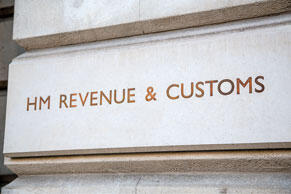
HMRC says that it considers the structuring of VAT groups within the care industry to gain a tax advantage to be tax avoidance. State-regulated care providers registered with the Care Quality Commission supplying welfare services are exempt from VAT. This means that VAT is not charged on the provision of care services to the Local Authority and consequently, VAT cannot be recovered on any costs associated with the supply of those services.
The structuring involves the insertion of a company that is not regulated, to form a VAT group and act as a “middleman” between the regulated company and the local authority. VAT is then charged by the new company and recovered on costs. While this may seem like a niche area, it is relatively common planning in practice.
HMRC is launching a programme to review all instances where this avoidance arrangement is in place. Further information can be found in Spotlight 70, which explains that any powers used will only take effect once the investigation is complete. This means that where this specific arrangement is in place HMRC will not seek to claim tax back from any earlier period. Users of such arrangements should seek independent professional advice in the first instance.
Related Topics
-
Why is HMRC checking PVA more often?
Your business imports goods and accounts for VAT by applying postponed VAT accounting (PVA) on its returns. HMRC is scrutinising returns and issuing large assessments in some cases. What can you do to reduce the risk of getting it wrong?
-
HMRC text or scam? Check before you act
HMRC is contacting some taxpayers by text this week about overdue Self Assessment liabilities and is also sending updates about VAT registration applications. At the same time, it has expanded its guidance on spotting fake HMRC messages on social media. How can you tell whether a message is genuine?
-
Received a P800? Check how HMRC has used your allowances
Some HMRC P800 tax calculations can produce too much tax where a taxpayer has several different types of income and allowances are not allocated in the most favourable way. People with employment or pension income alongside savings, dividends or other income are particularly at risk here. Could HMRC be charging you too much?
 This website uses both its own and third-party cookies to analyze our services and navigation on our website in order to improve its contents (analytical purposes: measure visits and sources of web traffic). The legal basis is the consent of the user, except in the case of basic cookies, which are essential to navigate this website.