
HMRC concedes on penalties for late self-assessment
For weeks tax experts have been pressuring HMRC to scrap penalties for late filing of 2019/20 self-assessment tax returns. Until now HMRC has refused. Today it’s made a partial concession. What’s the full story?
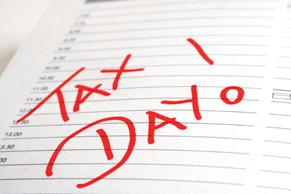
The pressure has been mounting on HMRC and the government to give a general amnesty for taxpayers who submit their 2019/20 self-assessment tax return online later than the usual filing deadline of 31 January 2021. HMRC hasn’t gone that far but has agreed that anyone who can’t file their return by the deadline won’t receive a late filing penalty if they file online by 28 February.
In its statement, HMRC hasn’t mentioned the penalties charged for those who were late submitting their 2019/20 paper self-assessment tax return which was due by 31 October. We’ll have to wait to see if it decides to retrospectively cancel some or all of them.
The announcement doesn’t change any statutory right to have a late filing penalty canceled if the taxpayer have a reasonable excuse for submitting their tax return after the deadline. This means if anyone can’t file your return by 28 February they still have the right to appeal against the £100 penalty that HMRC will automatically issue.
Related Topics
-
Why is HMRC checking PVA more often?
Your business imports goods and accounts for VAT by applying postponed VAT accounting (PVA) on its returns. HMRC is scrutinising returns and issuing large assessments in some cases. What can you do to reduce the risk of getting it wrong?
-
HMRC text or scam? Check before you act
HMRC is contacting some taxpayers by text this week about overdue Self Assessment liabilities and is also sending updates about VAT registration applications. At the same time, it has expanded its guidance on spotting fake HMRC messages on social media. How can you tell whether a message is genuine?
-
Received a P800? Check how HMRC has used your allowances
Some HMRC P800 tax calculations can produce too much tax where a taxpayer has several different types of income and allowances are not allocated in the most favourable way. People with employment or pension income alongside savings, dividends or other income are particularly at risk here. Could HMRC be charging you too much?
 This website uses both its own and third-party cookies to analyze our services and navigation on our website in order to improve its contents (analytical purposes: measure visits and sources of web traffic). The legal basis is the consent of the user, except in the case of basic cookies, which are essential to navigate this website.