
Could specific gifts from will trust be undone?
The First-tier Tribunal recently considered a case where the way a will trust was administered meant that the distribution of assets was significantly different to the deceased person's intentions. Could the transactions be recharacterised?
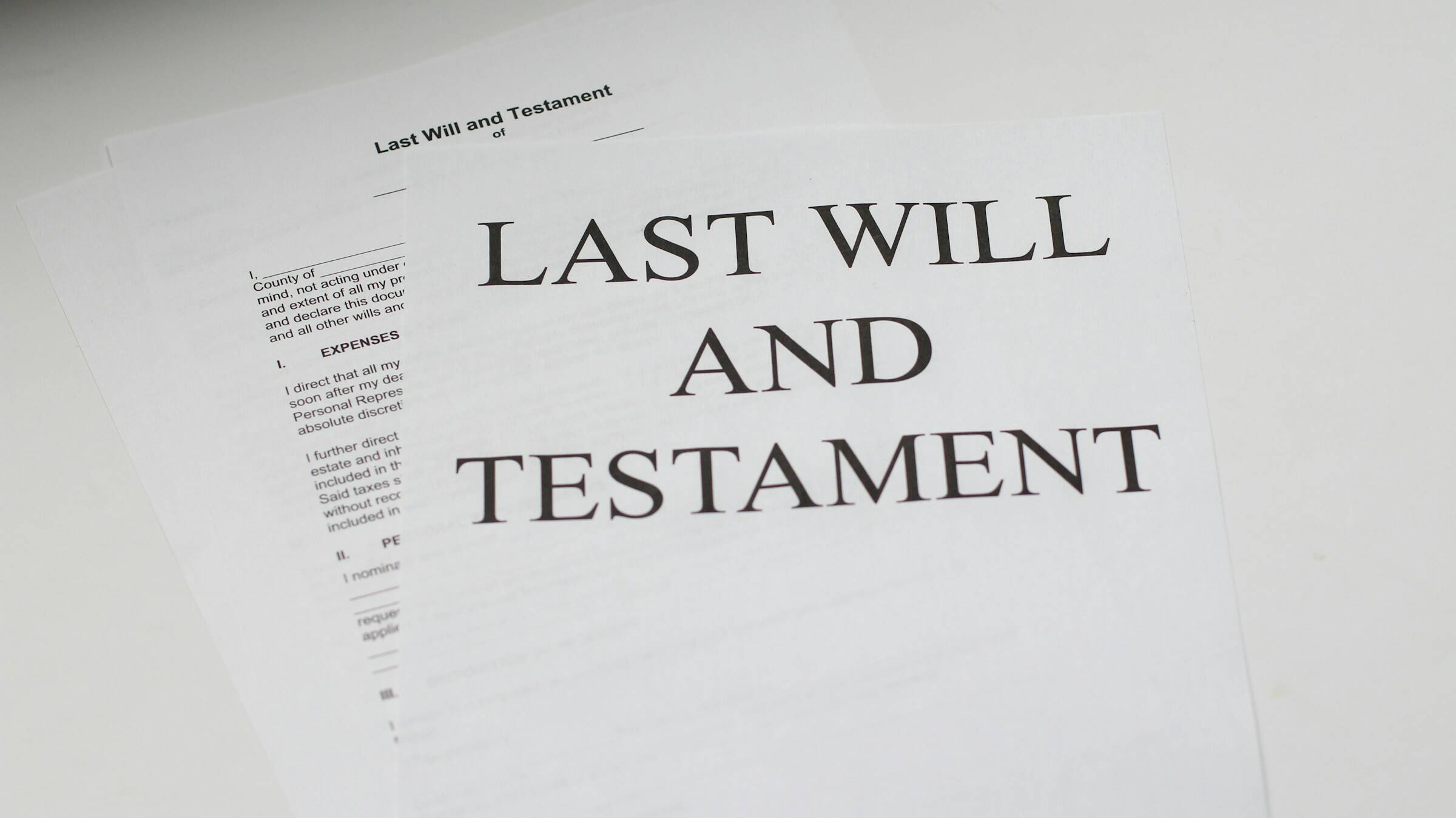
Mr Marks (M) was the executor of his father’s estate. The deceased’s will left a number of gifts to his descendants and spouse (as life tenant), and 25% of his estate to charity, with the understanding that this would be more than sufficient to secure the lower 36% inheritance tax (IHT) rate. The problem was that following his death, the trustees of the will trust made a number of gifts to his grandchildren, purportedly as an “advance” on their eventual inheritance - reducing the residuary estate (and the value of the charitable donations). HMRC argued that the charitable contribution was less than 10% of the necessary parts of the estate, and applied the full IHT rate.
The will specified that the gift was to be 25% of the residuary estate, measured at the time of death. This meant that the 10% baseline calculation would be carried out based on the value of the assets held at death, not at the time of making the will. A deed had effectively ring-fenced a considerable portion of the money in the estate for the “specified beneficiaries”.
The grandchildren offered to repay the advances to ensure M’s intentions were met, i.e. a £250,000 legacy to the charity. The judge accepted that the gifts would not have been made had a full understanding of the IHT consequences been made clear, but this did not change the nature of the lifetime gifts and the lower rate did not apply.
This case is a reminder that it is crucial to ensure your intentions are clear when making a will, and that the persons responsible for handling your financial assets understand them. Misunderstandings with charitable bequests can often lead to protracted, and costly, litigation - though that was not the case here.
Related Topics
-
Why is HMRC checking PVA more often?
Your business imports goods and accounts for VAT by applying postponed VAT accounting (PVA) on its returns. HMRC is scrutinising returns and issuing large assessments in some cases. What can you do to reduce the risk of getting it wrong?
-
HMRC text or scam? Check before you act
HMRC is contacting some taxpayers by text this week about overdue Self Assessment liabilities and is also sending updates about VAT registration applications. At the same time, it has expanded its guidance on spotting fake HMRC messages on social media. How can you tell whether a message is genuine?
-
Received a P800? Check how HMRC has used your allowances
Some HMRC P800 tax calculations can produce too much tax where a taxpayer has several different types of income and allowances are not allocated in the most favourable way. People with employment or pension income alongside savings, dividends or other income are particularly at risk here. Could HMRC be charging you too much?
 This website uses both its own and third-party cookies to analyze our services and navigation on our website in order to improve its contents (analytical purposes: measure visits and sources of web traffic). The legal basis is the consent of the user, except in the case of basic cookies, which are essential to navigate this website.